
The Ultimate Guide to Cleaning and Sealing Your Natural Stone
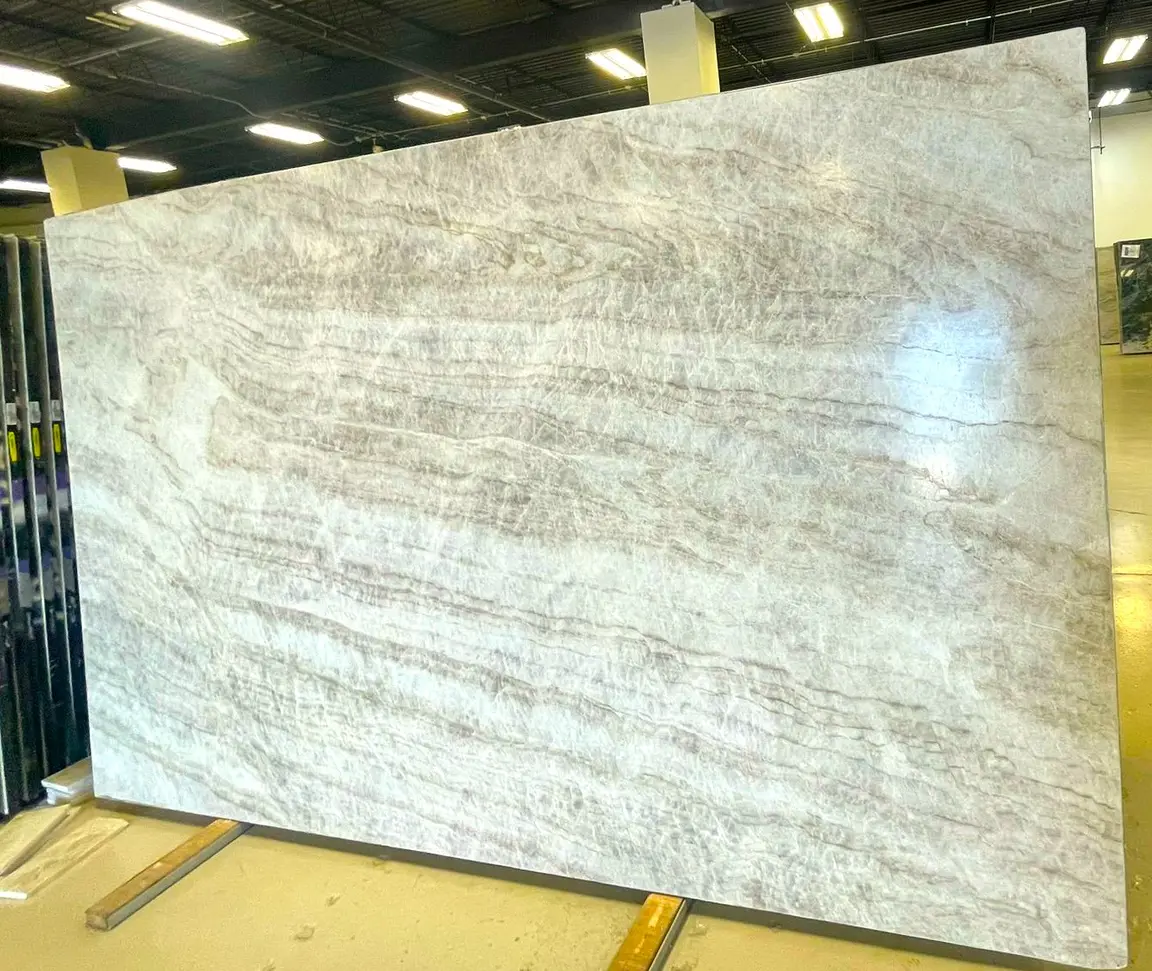
Quick Answer: Cleaning & Sealing Natural Stone
Daily cleaning: warm water, a few drops of pH-neutral stone cleaner and a soft cloth — nothing acidic, nothing abrasive. Sealing: most natural stone (granite, marble, quartzite, travertine) should be sealed after installation and re-sealed periodically; engineered quartz and porcelain never need sealing. The table below shows what each surface needs.
Care Requirements by Stone Type
| Surface | Needs sealing? | Daily cleaner | Never use |
|---|---|---|---|
| Granite | Yes — penetrating sealer, refreshed periodically | pH-neutral cleaner or mild soap | Ammonia (Windex), vinegar, abrasive pads |
| Marble | Yes — and still acid-sensitive when sealed | pH-neutral stone cleaner only | Lemon, vinegar, bleach, bathroom sprays |
| Quartzite | Yes — penetrating sealer | pH-neutral cleaner or mild soap | Acidic or alkaline cleaners |
| Soapstone | No — optional mineral oil for even patina | Mild soap and water | Harsh solvents |
| Engineered quartz | No — non-porous | Mild detergent and water | Sustained heat, bleach, abrasives |
| Porcelain | No — non-porous | Almost any non-abrasive cleaner | Abrasive powders |
Introduction
If you are looking for a solution to how to clean and seal your choice of natural stone, then this blog post is someone like you. Whatever the solution you are seeking for then also this post will hopefully serve you at the best. In addition to this, it will also save huge amount of time.
Natural stone adds warmth and strength to kitchens, bathrooms, and floors in many homes. If you visit a modern home, you will catch sight of granite counters in kitchens. You will find marble vanities in condos. Now, if you do not keep them clean the result will be worse. Without good cleaning and sealing, the dirt will builds up. Moreover there are stains that appear.
In this blog post you will see how to seal natural stone. It also gives customers idea about daily stone cleaning tips and rightly explains ways of preventing marble stains.
Why Natural Stone Needs Regular Cleaning and Sealing
Before you choose cleaning or sealing of natural stone, it is vital to know what it is. There are many natural stones and their types which was born from the core of the earth. The commonly known natural stones are- granite, limestone, bluestone, marble, sandstone, slate and travertine.
Stone surfaces deal with stressful spills on regular basis. Morning coffee drips whereas grease comes from family dinners. Traffic by foot brings in harsh grit. Stones that are unsealed soaks up liquids faster. This results in etching and also encounter changes of color. Sealing acts as a barrier. It keeps out water and oils yet the stone still feels natural.
Homes often love to have open designs. Stone designs are preferred a lot. A sealed granite island fights off the red wine stain marks that happen at the backyard parties. Travertine floors that are left untreated grow mold in wet bathroom floors. But with regular caring you can keep away the problems better and keep the beauty of the stone designs intact.
Increasing home value with stone is a wise decision after all. The resale value also increases. Real estate agents report that if the natural stone is well maintained, it adds about 5 to 10 percent to the actual sale price of the home. Even the quartz countertop care uses the same ideas to maintain the quality. But what is quartz? Quartz is man-made and less porous. Sealing helps prevent buildups from drinks or oils. All you need to do is to do the cleaning first and then remove the dirt completely before you proceed with the process of sealing.
Pro tip: In daily stone cleaning tips, experts suggest to use mild soap and water. Good cleaners eliminate the hard grease much better by leaving no mark of residue.
Step-by-Step: How to Seal Natural Stone
Through this step-by-step guide you can learn the process of how to seal natural stone in 30 to 60 minutes if the space measures between 90-100 square feet. Sealing should be done in every 1.5 to 2.5 years based on the use.
Follow these steps for granite, marble, limestone, or slate.
Prepare the Surface
- Sweep or vacuum dirt.
- Mix warm water with stone-safe cleaner in a bucket.
- Wipe counters or floors with a microfiber mop. Rinse well and then dry fully.
- Use fans in dry areas
- Test a small spot if water soaks in 5 minutes. If it does then seal immediately.
Knowledge Tip: For preventing marble stains, clean the marble with care. Remember that it picks up the marks of wine and coffee very soon.
Choose the Right Sealer
- Penetrating sealers go deep inside as they suit natural stone best.
- Topical sealers add shine but wear out quick.
- Do not use them in busy places, especially the ones which are traffic prone.
- For granite, an impregnating sealer helps block oil stains.
- Marble works with good chemicals as it deepens the color without yellow tones.
- Travertine or slate lets the stone breathe. These block almost 90-95% of the stains according to tests.
Apply the Sealer
- Pour sealer in a tray.
- Dip a cloth or pad to wipe even coats.
- Wait 5 to 10 minutes to soak in and also avoid puddles.
- One coat works many times and then wait 1 hour for a second coat if you need it.
- Open the windows for air. Most sealers have low fumes for indoor jobs.
- The seal cures in 24 to 48 hours.
Maintenance Tip
- Drop water on it after 24 hours.
- Beads show it works.
Pro Tip: Use this method if you are searching for ways about how to seal natural stone. But before that, you must understand whether your surfaces can handle the spills and tough stress on daily basis or not.
Daily Stone Cleaning Tips for Busy Households
Routine maintenance keeps the stone fresh. You must avoid big cleans each week.
Here are daily stone cleaning tips.
- Wipe spills right away with a wet cloth.
- Do not let juice sit on marble.
- Spray water and dish soap from a bottle for counters.
- Dry with a buff to stop spots.
For quartz countertop care, do the same. With daily stone cleaning tips one can stop the formation of fog from the baking soda. In homes where there are, clean pet spots with enzyme cleaner for stone. Each week, in order to maintain the shine, you must use spray on the stone to keep the polish look perfect.
Top Key Strategies to Prevent Marble Stains
Marble looks great in bathrooms. Its calcium base causes all the problems. Preventing marble stains begins with the process of sealing. Do it every 6-7 months in the kitchens. Here are some fixes that can help you to prevent the strains from staying permanently.
Common Culprits and Fixes
- Acidic spills like lemon or tomatoes happen accidentally, simply blot them.
- Use baking soda paste to neutral the issue immediately and then rinse it.
- Oils like olive oil build up faster therefore wash with dish soap and seal soon afterwards.
- Hard water leaves marks.
- Use filtered water to clean.
- Put coasters and trivets down always.
Quartz Countertop Care for Engineered Stone
Quartz looks like stone in modern kitchens. It does not need seals often but it blocks liquids well. Quartz countertop care means wiping them with soap and water every day. Skip the rough scrubbers by using professional and heavy duty heat pads for hot pots. Quartz burns above 300 degrees Fahrenheit.
What is The Long-Term Maintenance Schedule
Follow this scheduled plan for long lasting results.
- Daily: Wipe the stain marks and the spills with pH-neutral spray.
- Weekly: Clean fully with a professionally certified stone soap.
- Monthly: Polish with quartz shine.
- Every 6 to 12 months: Reseal with impregnator.
- Yearly: Test the water by soaking.
Conclusion
You now know how to seal natural stone and follow daily stone cleaning tips to avoid preventing marble stains issues. Simple steps like wiping spills fast and sealing on time keep your counters and floors looking new. This care routine saves money on repairs. It raises the appeal of your home when increasing home value with stone matters. Quartz countertop care fits right in with these habits. Reach out to certified stone experts and leading US suppliers like StoneX USA who are offering top sealers for hands-on help and quality products.
Frequently Asked Questions
Q1.How often should I seal my natural stone counters?
Ans: Seal the granite or the marble every 1.5 to 2.5 years. Reseal if it soaks in faster. In case there is any doubt you can reach out to professionals to take consultation regarding what is going to be the best for your project.
Q2. Can I use bleach on marble to prevent stains?
Ans: No you must not. Bleach etches marble therefore it is best to stick to the pH-neutral cleaners for preventing marble stains.
Q3. Does quartz need the same care as natural stone?
Ans: Quartz needs less sealing. But the quartz countertop care includes cleaning tips like daily wiping to avoid harsh buildups.
Sealing & Cleaning Natural Stone Tile
The same stones that make countertops also show up as tile — on floors, shower walls and backsplashes — and tile asks a little more of you than a countertop does. Grout lines collect grime, floor tile takes grit and foot traffic, and shower tile lives with water and soap film daily.
How do you seal natural stone tile?
Clean the surface, let it dry fully, then apply a penetrating sealer with a soft cloth or applicator, working in sections. Wipe off excess before it hazes and allow it to cure (typically 24 hours). Floors and showers need resealing more often than countertops — annually is a good rhythm for wet or high-traffic areas, and a water-drop test (if water darkens the stone, reseal) tells you when.
Do stone tile floors need a different cleaner?
No — the rule is the same as countertops: a pH-neutral stone cleaner or mild soap, never vinegar or ammonia-based products. The one addition for floors: dust-mop or vacuum first, because tracked-in grit acts like sandpaper underfoot. For showers, a quick squeegee after use keeps mineral spots and soap film from building up.
Natural Stone Care: Frequently Asked Questions
Can you use Windex on granite countertops?
No. Windex and similar glass cleaners contain ammonia, which dulls the finish and breaks down the penetrating sealer over time, leaving the granite open to staining. Use warm water with a pH-neutral stone cleaner instead. The same rule applies to vinegar and bleach.
How often should natural stone be sealed?
It depends on the stone’s porosity and use. A simple test: pour a tablespoon of water on the surface — if it darkens the stone within a few minutes, it is time to re-seal. Kitchen granite typically wants re-sealing every 1–3 years; dense stones can go much longer.
How do I clean natural stone tile and countertops day to day?
Dust or wipe with a soft cloth, then clean with warm water and a few drops of pH-neutral cleaner. Rinse and dry to avoid streaks. Blot spills — especially wine, citrus and oil — as soon as they happen rather than letting them sit.
What should never touch a natural stone surface?
Vinegar, lemon juice, ammonia-based cleaners, bleach, bathroom/tile sprays and abrasive scouring pads. On marble and other calcium-based stones, acids etch the surface on contact — even when the stone is sealed.
Do engineered quartz and porcelain need the same care?
They are easier: both are non-porous, so no sealing is ever needed. Engineered quartz should be protected from sustained heat (use a trivet); porcelain tolerates heat and UV, which is why it also works outdoors. See our granite vs quartz and quartz vs quartzite guides for full comparisons.
Shopping for stone in the Milwaukee area? Browse the live slab inventory or visit the West Allis slab showroom to see full slabs in person. Engineered quartz owners can also read our quartz care & maintenance guidelines.
Quick Answers
The stone-care questions people actually search for, answered in the first line.
Can you use Windex on granite?
No — Windex and most other glass cleaners should not be used on granite. They are ammonia based, and repeated use breaks down the impregnating sealer that keeps a porous natural stone from absorbing stains. The stone itself will not dissolve, but the sealer thins, the surface starts taking on water marks and oil spots, and the polish dulls over time. Use warm water with a few drops of mild dish soap and a soft cloth, or a cleaner explicitly labelled pH-neutral and stone safe. The same rule applies to vinegar, lemon juice and bleach-based sprays.
How often does natural stone need to be sealed?
Most granite needs sealing about once a year; dense granites can go two to three years, and porous marble or limestone may need it every six months. Test it rather than guessing: put a few drops of water on the surface and wait fifteen minutes. If the stone darkens where the water sat, the sealer has worn through and it is time to reseal. If the water is still beading, leave it alone — sealing more often than needed does not add protection and can leave a hazy residue.
How do you seal natural stone tile?
Clean the tile, let it dry completely, then apply an impregnating sealer with a cloth or applicator pad, let it sit for the time the manufacturer specifies (usually five to fifteen minutes), and wipe off everything that has not soaked in. The wiping step is the one people skip, and leftover sealer dries into a streaky film that has to be stripped off. Seal the grout at the same time — it is more absorbent than the stone. Allow the surface to cure before it gets wet again, typically twenty-four hours.
How do you clean natural stone without damaging it?
Warm water, a few drops of pH-neutral dish soap, and a soft cloth handles almost all routine cleaning on sealed natural stone. Wipe spills as they happen rather than letting them sit, especially wine, oil, coffee and anything citrus. Avoid acidic cleaners, ammonia, bleach and abrasive powders, and skip scouring pads on polished surfaces. For a stain that has already set, a poultice drawn over the mark for a day will usually pull it out; scrubbing harder will not.
Does engineered quartz need sealing?
No. Engineered quartz is non-porous, so there is nothing for a sealer to soak into and sealing it does nothing. Clean it with warm soapy water. The one real limit is heat: the resin binder that holds the quartz together can scorch or discolour under a hot pan, so use a trivet. That is the practical trade for never having to seal it.
Questions people actually ask
Can you use Windex on granite?
No — Windex and most glass cleaners contain ammonia, which strips sealer from granite over time and dulls a polished surface. Use warm water with a little pH-neutral dish soap, or a cleaner labelled for natural stone.
How do you seal natural stone tiles?
Clean the tile, let it dry completely, then apply an impregnating sealer with a cloth or pad, let it sit the time the label states, and wipe off everything that has not soaked in. Residue left on the surface is what causes the hazy look people blame on the sealer.
How often should natural stone be sealed?
Test it rather than guessing: drop a little water on the stone and wait fifteen minutes. If it darkens, it needs sealing. In a working kitchen that is commonly once a year for granite and more often for a porous marble.
StoneX USA · 1735 S 106th St, West Allis, WI 53214 · trade and wholesale supply · live inventory
More questions, answered
Do stone tile floors need a different cleaner than countertops?
No – use the same pH-neutral stone cleaner. Just dust-mop floors first so tracked-in grit does not scratch the surface, and squeegee shower tile to prevent mineral spots.
Do engineered quartz and porcelain need sealing?
No. Both are non-porous and never need sealing. Protect quartz from sustained heat; porcelain tolerates heat and UV and can be used outdoors.
increasing home value with stone, preventing marble stains, quartz countertop care