Quartzite vs Granite: Which Is Better for Countertops?
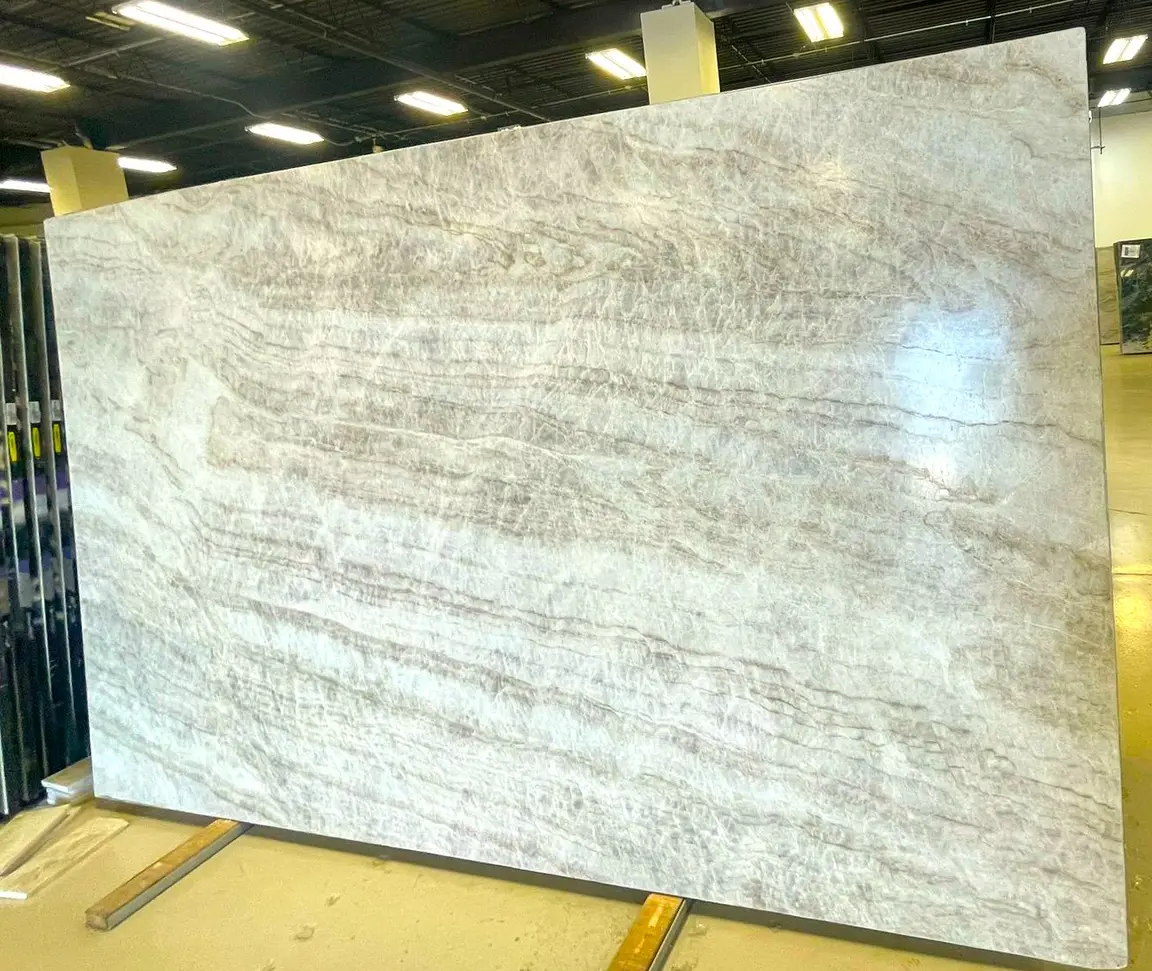
Is quartzite better than granite? For most kitchens, neither is strictly better. They are both natural stones that handle heat, daily cooking and years of use. Quartzite is usually the harder of the two and often has long, marble-like veining. Granite has a speckled, crystal pattern, comes in a much wider color range, and is generally easier for a fabricator to cut and shape. Choose quartzite if you want a marble look with more scratch resistance. Choose granite if you want the widest choice of colors and a proven, forgiving surface.

Quartzite vs Granite at a Glance
| Quartzite | Granite | |
|---|---|---|
| How it forms | Sandstone transformed by heat and pressure (metamorphic rock), mostly quartz | Cooled magma (igneous rock), a mix of quartz, feldspar and other minerals |
| Look | Veined, flowing, often marble-like; light whites, grays, taupes and blues are common | Speckled or granular; from near-white to black, with greens, golds, browns and blues |
| Hardness | About Mohs 7 (quartz is a 7) | Roughly Mohs 6–7 (feldspar is a 6, quartz a 7) |
| Scratch resistance | Excellent | Very good |
| Heat | Excellent; use trivets for sudden extreme heat | Excellent; use trivets for sudden extreme heat |
| Sealing | Yes. Porosity varies by stone; test with water | Usually yes. Some dense granites need very little; test with water |
| Acid (lemon, vinegar) | True quartzite does not etch; some stones sold as quartzite can (see below) | Does not etch |
| Fabrication | Harder to cut and polish; slower for the fabricator | Familiar to every fabricator |
| Outdoor use | Good; natural stone is not damaged by sunlight | Good; natural stone is not damaged by sunlight |
How Are Quartzite and Granite Different?
Both stones come out of a quarry as blocks and are cut into full slabs. The difference starts underground.
Quartzite begins as sandstone. Over a very long time, heat and pressure fuse the sand grains into solid rock that is mostly quartz. That is why good quartzite feels glassy and hard, and why its pattern often runs in long bands or veins. Many of the most requested light stones, such as Taj Mahal and Vancouver, look closer to marble than to granite.
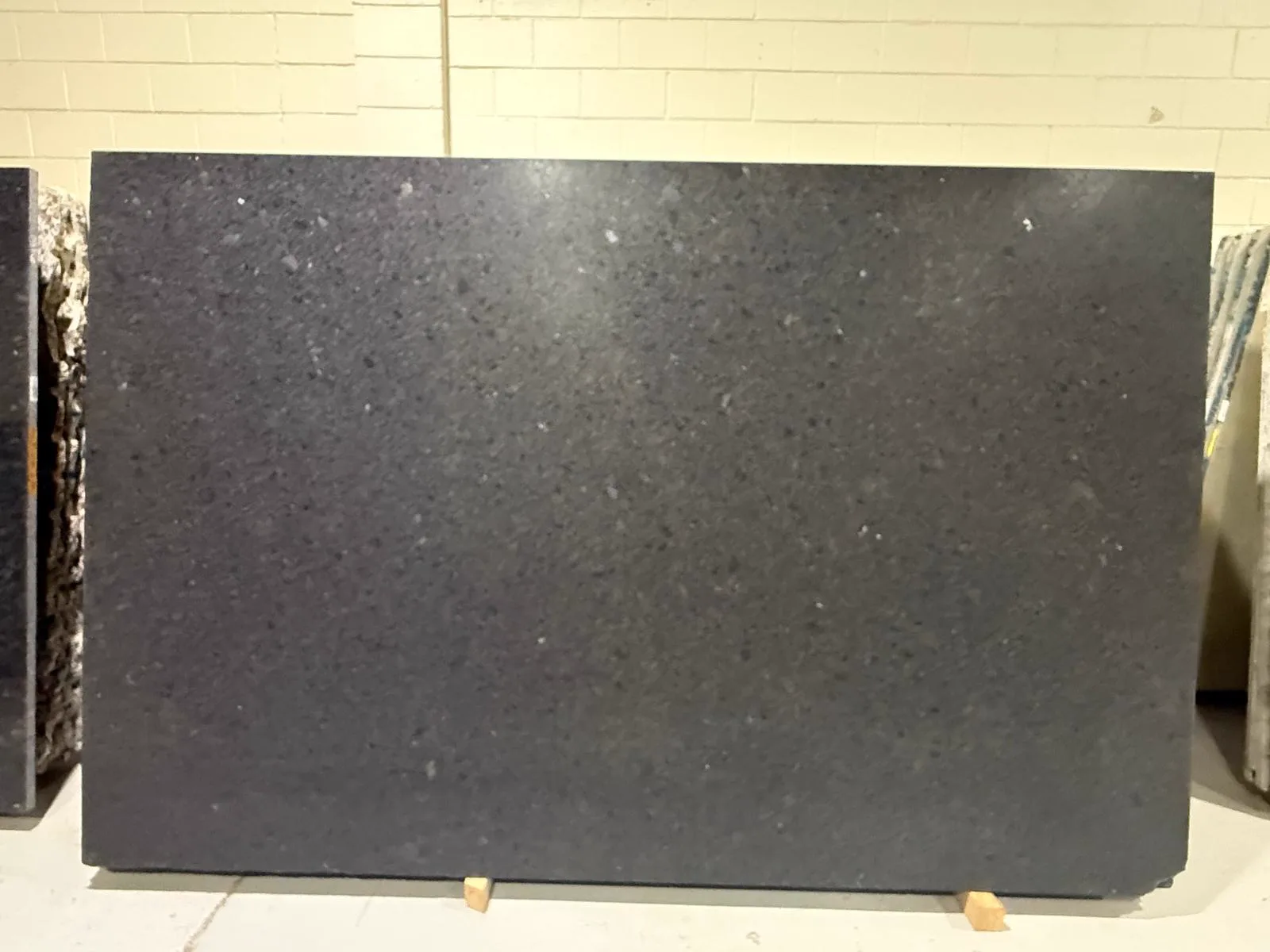
Granite forms when molten rock cools slowly deep in the earth. The minerals grow into visible crystals, which gives granite its speckled or “salt and pepper” look. Because many different minerals can crystallize together, granite comes in a much wider range of colors than quartzite, from Alaska White to near-black stones.
Which Is Harder and More Durable?
Quartzite is usually the harder stone. Quartz rates 7 on the Mohs scale, and quartzite is mostly quartz. Granite mixes quartz with feldspar, which rates about 6, so its overall hardness sits a little lower. In practice both are hard enough that a kitchen knife will not scratch either one, and both are far more scratch resistant than marble.
Durability is about more than hardness. Both stones handle hot pans well, both can be used outdoors, and both last for decades with basic care. Granite has a longer track record in American kitchens. Quartzite is just as durable when the stone is genuine quartzite.
Is It Really Quartzite? A Quick Check
Some stones sold as quartzite are partly dolomite or marble. They can look the same, but they are softer and can etch (turn dull) where acids such as lemon juice or vinegar sit on the surface. If acid resistance matters to you, ask for a sample of the exact slab and test it:
- Glass test: genuine quartzite scratches glass; dolomite and marble do not.
- Etch test: leave a few drops of lemon juice on the sample for several minutes, then wipe. A dull spot means the stone can etch.
Etching is not a defect, and many people choose softer stones on purpose. The point is to know which stone you are buying.
Which Looks Better in a Kitchen?
This is the question that usually decides it. If you want the look of marble (white or light gray with long veins), quartzite is the natural stone that gets you closest while staying harder and more heat tolerant than marble. For light, veined stones to compare, see quartzite that looks like marble. If you want color, contrast or a pattern that hides crumbs and everyday wear, granite gives you far more choice.
Because every natural slab is different, look at the full slab, not a small sample. Veining can change a lot from one end of a slab to the other. You can browse our quartzite slabs and granite slabs online, or check the live inventory.
Sealing and Everyday Care
Both stones are natural and have some porosity, so both are usually sealed after installation. The easiest check is a water test: put a few drops of water on the surface and wait about 10–15 minutes. If the stone darkens, it is time to reseal. Many granites, especially dark and dense ones, absorb very little; lighter quartzites and granites often need sealing more often.
For daily cleaning, warm water and a pH-neutral stone cleaner are enough for either stone. Avoid bleach, vinegar and abrasive pads, which can wear down the sealer over time.
Who Cuts and Installs the Countertop?
StoneX USA supplies full slabs of quartzite and granite. Measuring, cutting, edge profiles and installation are done by independent fabricators, who also give the final quote for your project. Quartzite is harder to cut, so ask your fabricator how it affects their timeline. If you do not have a fabricator yet, see our fabricator partner locations.
The Bottom Line
Choose quartzite for a marble-like look with excellent hardness, especially in white and light colors. Choose granite for the widest color range, a forgiving speckled pattern and easy fabrication. Both are natural stones that will outlast most kitchens. For other comparisons, see quartz vs quartzite and granite vs quartz.
Homeowners can hand-select and tag slabs at the West Allis slab gallery on weekdays, by appointment only.
More questions, answered
Is quartzite more expensive than granite?
It depends on the specific stone, the slab and the fabrication. Quartzite takes longer to cut, which can affect the fabricator’s quote. Ask your fabricator to quote both options for the same layout.
Does quartzite stain more than granite?
Both can stain if they are left unsealed. Light-colored stones of either type show stains more. Seal the countertop and wipe up oil, wine and coffee promptly.
Can quartzite and granite be used outdoors?
Yes. Both are natural stones and are not damaged by sunlight, so they suit outdoor kitchens. Use a sealer rated for outdoor use.
Is quartzite the same as quartz?
No. Quartzite is a natural stone from a quarry. Quartz countertops are an engineered surface made from ground minerals bound with resin.